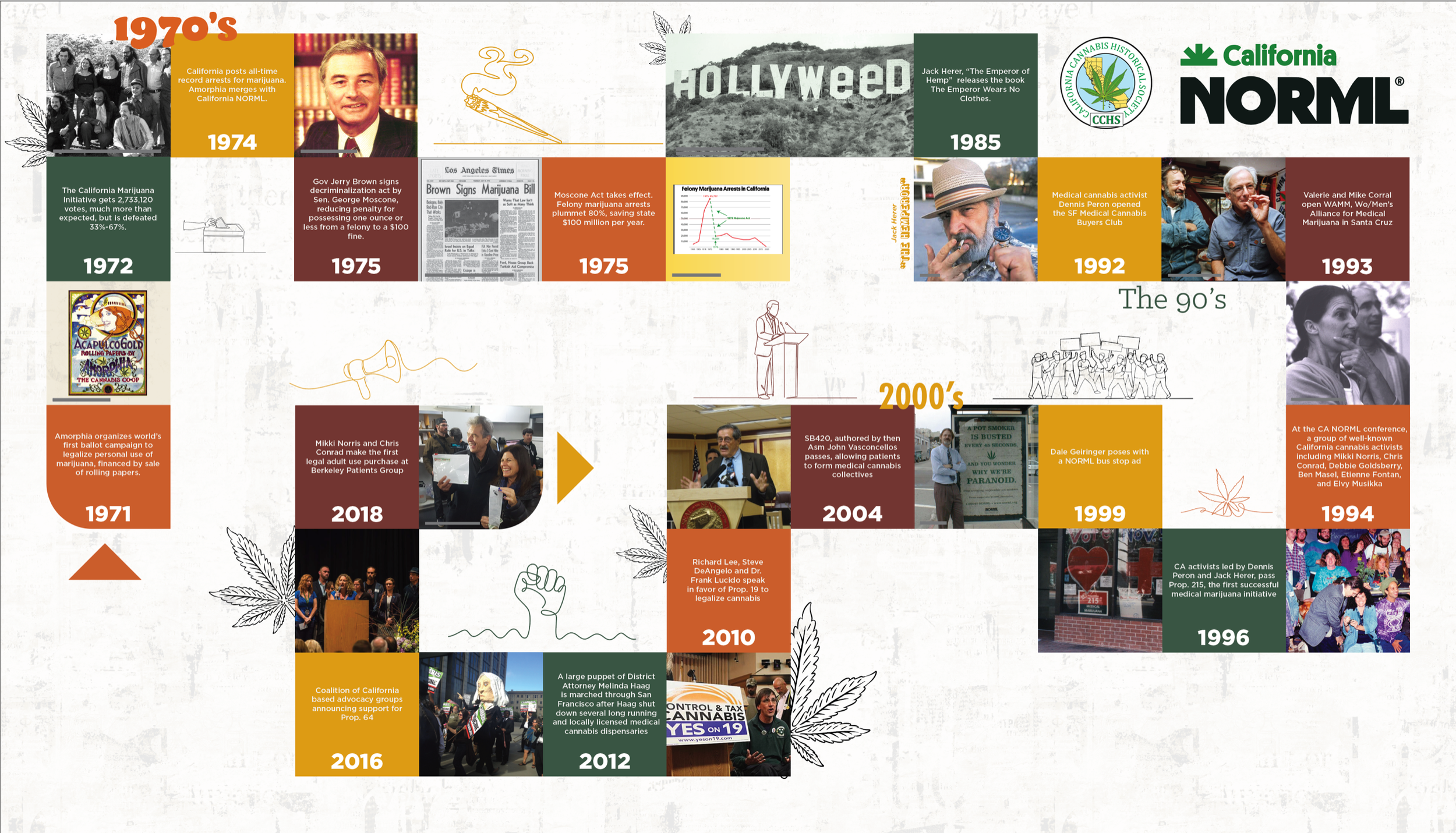
California Cannabis History 1988-2000
1992 - Santa Cruz Measure A
Santa Cruz voters approve medical cannabis initiative Measure A.
1992 - SF Cannabis Buyers’ Club
Dennis Peron opens first medical marijuana dispensary, the San Francisco Cannabis Buyers Club on Sanchez Street. He later moved to a new location at 194 Church Street.
1992 – SF Supervisors Allow Distribution
San Francisco Board of Supervisors approved Resolution 141-92 which allowed for distribution of medical cannabis throughout the city.
1992 - The Hemporium
Ed Rosenthal, Tod Mikuriya, Amy Shutkin and Dale Gieringer opened The Hemporium located at 442 Haight St. in San Francisco.
1991 – SF Prop P Passed
San Francisco voters approved Proposition P in support of medical cannabis.
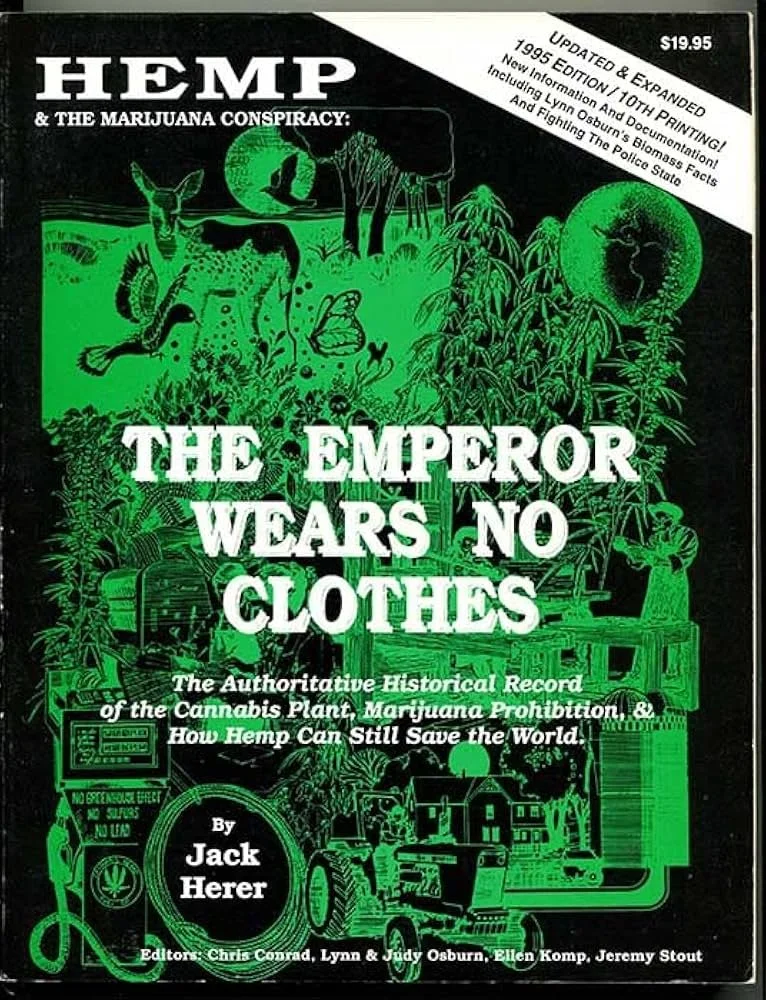
1990 – Landmark Edition of The Emperor
BACH produced the landmark edition of Jack Herer’s “The Emperor Wears No Clothes”. It would have a world-wide impact and become known as “The Bible of Marijuana.”
1990 - Hemp Connection opens
Marie Mills opened the first hemp store in the US, The Hemp Connection (THC) in Garberville featuring Stoned Wear shirts and was operated until 2022.
1990 AIDS and Medical Marijuana
In the 1990s, the Castro in San Francisco was home to the AIDS crisis and activism for access to medicine, which was instrumental in bringing about legalized medical marijuana in California in 1996.
1989 - Emerald Triangle Defense
The Civil Liberties Monitoring Project formed to fight the policy and create a community network of information about what the federal agents were doing in specific areas and provide support for lawsuits against illegal raids.
1989 – Operation Green Sweep
The George Bush administration sent National Guard troops in to eradicate marijuana grows in Northern California.
1989 – BACH Strategy launched
Chris Conrad and Mikki Norris launched the Business Alliance for Commerce in Hemp and Family Council on Drug Awareness (BACH), shifting the approach to legalization to include industrial hemp and medical marijuana and legal adult use, gardens and sales.
California Cannabis History 1975-1988
1988 Green Merchant
Operation Green Merchant: DEA operation targeted High Times, cultivation stores and head shops using UPS records. It likewise targeted Dutch seed companies.
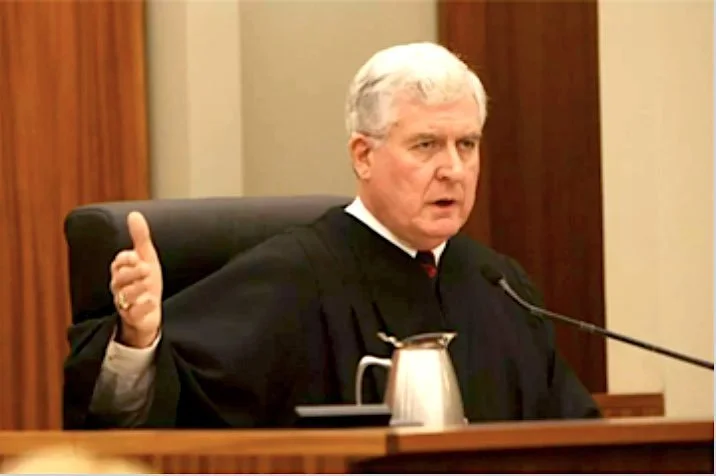
1998 – Young Decision
Federal Administrative Law Judge Francis Young issues a ruling that cannabis is “one of the safest therapeutic substances known to man” and DEA should remove it from CSA schedule 1.
1987 Cal NORML Leadership
Dale Gieringer took the helm as director of California NORML, a position he has held for more than three decades.
1985 First Edition of The Emperor
Jack Herer publishes the first edition of “The Emperor Wears No Clothes”. It was continually updated until Herer died in 2010.
1983 – DARE Propaganda Campaign Launched
Los Angeles Police Chief Daryl Gates and the LA Rotary Club established DARE to indoctrinate school children against ‘illicit’ drugs, including cannabis.

1983 - Drug War Goes Aerial
California launched a CAMP helicopter, the first aerial campaign to eradicate marijuana in its Emerald Triangle region.
1979 - Berkeley Voters Overruled
Berkeley’s 1973 Marijuana Initiative was voided by a court, so voters passed one making cultivation, possession and distribution within city limits the lowest priority for its Police Department.
1978 - San Francisco Prop W
San Francisco voters approved Proposition W, a non-binding measure directing law enforcement to cease the arrest and prosecution of individuals for cultivation, transfer or possession of marijuana but not sales. Mayor Feinstein ignored the measure.
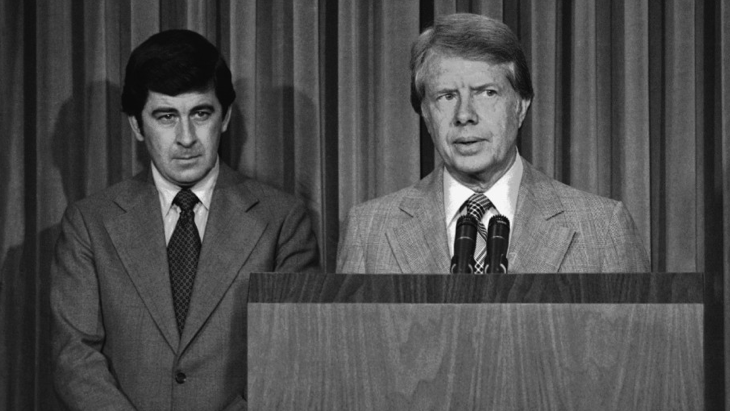
1977 - Carter Calls for Decrim
President Jimmy Carter told Congress, “Penalties against possession of a drug should not be more damaging to an individual than the use of the drug itself. … I support legislation amending Federal law to eliminate all Federal criminal penalties for the possession of up to one ounce [28g] of marijuana.”
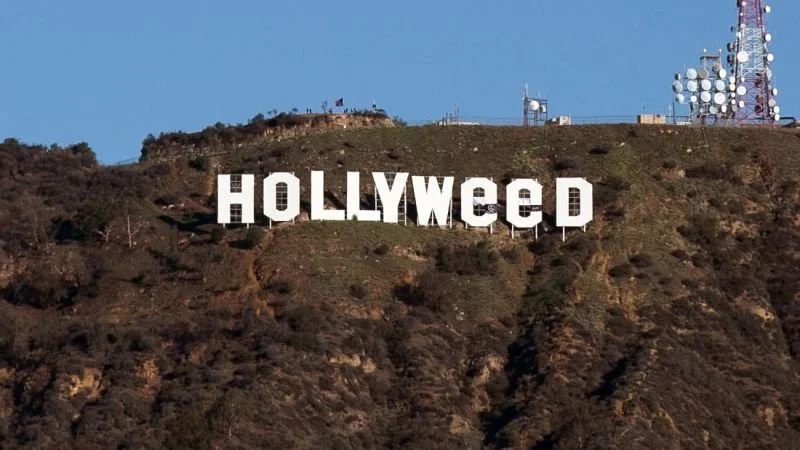
1976 - Hollyweed Sign
Angelinos awoke to art student Douglas Finegood’s modification of the Hollywood sign to read “HOLLYWEED” on January 1, the day marijuana was decriminalized in California.
1975- Moscone Act - Decrim
State legislature passed the Moscone Act, which reduced marijuana possession from a felony to a non-jailable misdemeanor with a $100 fine. Cultivation and sales remained felonies.
California Cannabis History 1969-1975
1974 - Cal NORML Formed
California NORML was founded when Amorphia merged with NORML, the National Organization for the Reform of Marijuana Laws to legalize marijuana in California.
1973 - Berkeley Decrim Law
Berkeley voters approved the first suc-cessful marijuana decriminalization initiative, 61-39%. BMI banned city Police from busting people for its possession, use, and cultivation. Yet, Police continued to make those arrests.
1973 - Federal DEA Formed
The Drug Enforcement Administration, a federal police agency, was created and put in charge of classifying and enforcing sub-stances, rather than the medical research community.
1972 - Medical Marijuana
Berkeley physician and consultant to the “Shafer Commission”, Dr. Tod Mikuriya, M.D., compiled and published Marijuana: Medical Papers 1842-1972 (Medi-comp Press).
1972 - The First Proposition 19 on Ballot
California volunteers wrote and qualified a one paragraph legalization initiative for personal use. The California Marijuana Initiative, Prop 19, marked the first-time marijuana was on a ballot. It received 33% of the vote.
1972 - Nixon’s Commission, Drug War
The National Commission on Marihuana and Drug Abuse, President Richard Nixon’s advisory board, aka the Shafer Commission, recommended that marihuana be decriminalized. Instead Nixon declared a “War on Drugs”.
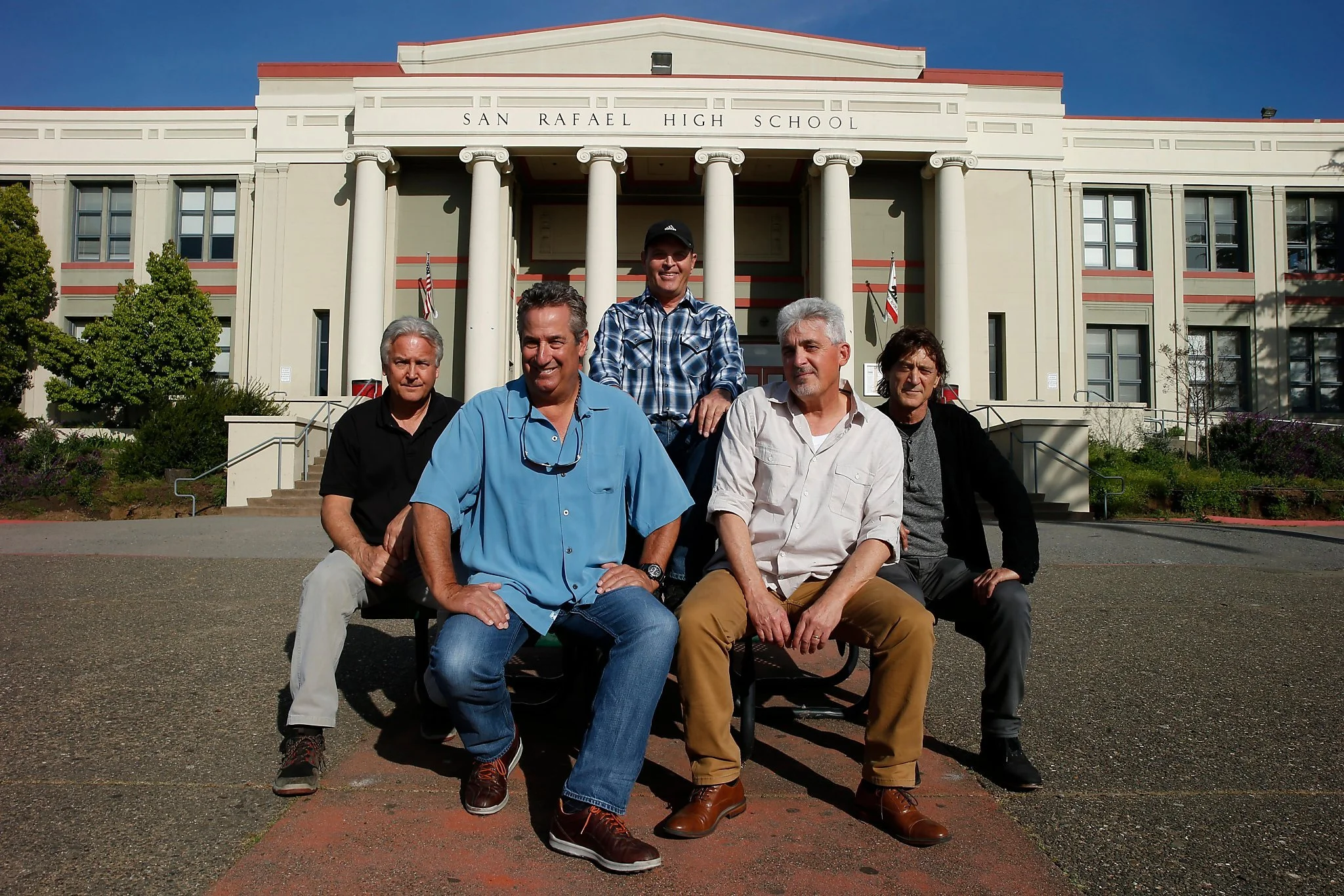
1971 - The First 420 • 4:20 • 4/20
A group of friends at San Rafael High held the first 4:20 smoke out and the number 420 has since become a global phenomenon.
1971 - Hemp Rolling Papers
Amorphia began selling “Acapulco Gold” brand hemp rolling papers to fund legalization of marijuana.
1970 - Federal CSA Adopted
Congress enacted the Controlled Substances Act as a framework for federal regulation and criminalization of drugs. Cannabis listed as ‘marihuana,’ a schedule 1 drug – its most severely prohibited level.
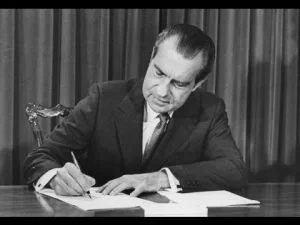
1969 - Amorphia Founded
Amorphia was founded in San Francisco as a non-profit organization by Blair Newman, Frank Richards and Michael Aldrich PhD to legalize marijuana.
1969 - Leary v. USA ends MTA
The US Supreme Court ruled that the federal Marijuana Tax Act violated the Constitutional Fifth Amendment protection against self-incrimination.
California Cannabis History 1930-1969
1967 - Summer of Love
Pot-smoking hippies flooded SF and LA for the Summer of Love.
1964 - Fighting Back
Lowell Eggemeier lit up a joint in San Francisco Hall of Justice Aug lo to protest marijuana prohibition. "I am starting a campaign to legalize marijuana smoking," he announced. "I wish to be arrested." He was promptly Jailed for marijuana possession, then a felony. His attorney James R. White Ill organized the first marijuana advocacy group, LeMar (Legalize Marijuana).
1955 - Howl Debutes
T3119 Fillmore St. was the Location of the Six Gallery where beatnik icon Allen Ginsberg read the poem "Howl" for the first time on Oct. 7, 1955 The poem contained many references to marijuana and hashish.
1954 - Punishments on the Rise
Penalties for marijuana possession were hiked to a minimum 1-10 years in prison, and sale was made punishable by 5-15 years with a mandatory 3 years before eligibility for parole; two prior felonies raised the maximum sentences for both offenses to life imprisonment.
1951 - Mandatory Minimums
The Boggs Act enacted the first federal mandatory minimum prison sentences for drugs.
1949 - Mitchum and Leeds Sentenced
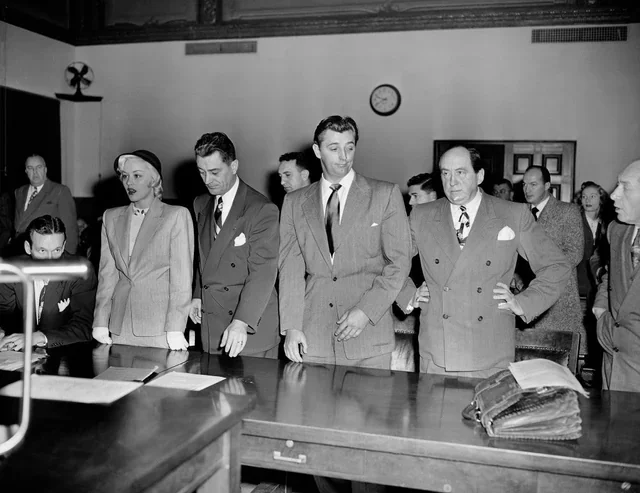
Actors Robert Mitchum and Lila Leeds were convicted of conspiracy to possess marijuana cigarettes on Jan 10, 1949 in Los Angeles. On Feb. 9, 1949, they were sentenced to 60 days in jail.
1943 - Does Hemp = Cannabis?
FBN discouraged an application by Mr. John Laidlaw of Chicago to cultivate hemp in California, claiming that California law prohibited cultivation of cannabis.
1940 - Hemp Seized
Federal agents seized hemp sent by Amhempco, Illinois to Mr. Leland O. Walker, who had a hemp decorticating fibre machine in Chula Vista. Anslinger threatened to file charges and warned that no future shipments would be allowed.
1937 - The Famed Marihuana Tax Act Passes
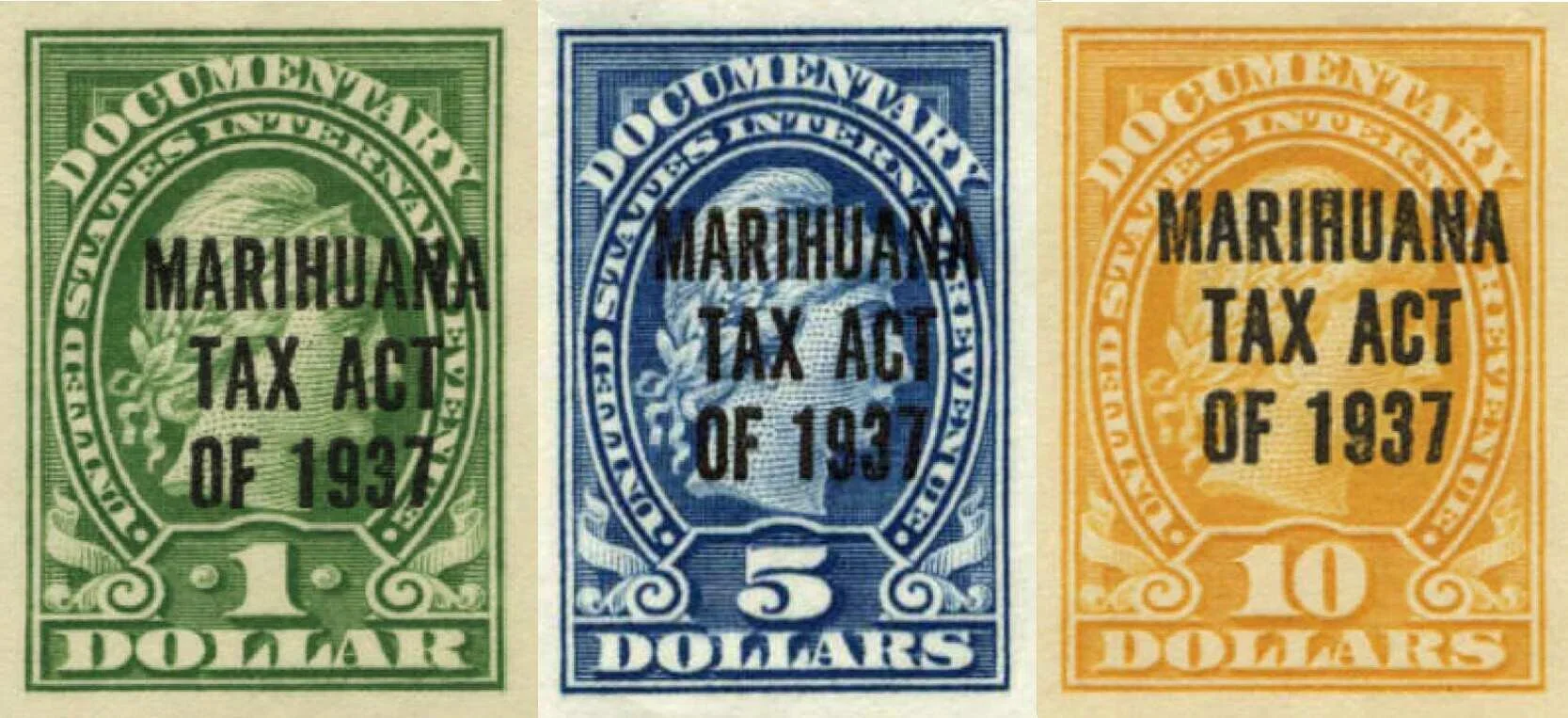
Federal government enacted the Marihuana Tax Act, effectively prohibiting cannabis. Imported hemp fiber and bird seed remained legal.
1937 - Cultivation Is a Crime
Cannabis cultivation became a separate offense in California.
1932 - Narcotic Arrests in LA
60% of narcotics arrests in Los Angeles involved cannabis, which was considered "much less serious than the morphine cases."
California Cannabis History 1900-1930
1930 - Jazz Legend Goes to Jail
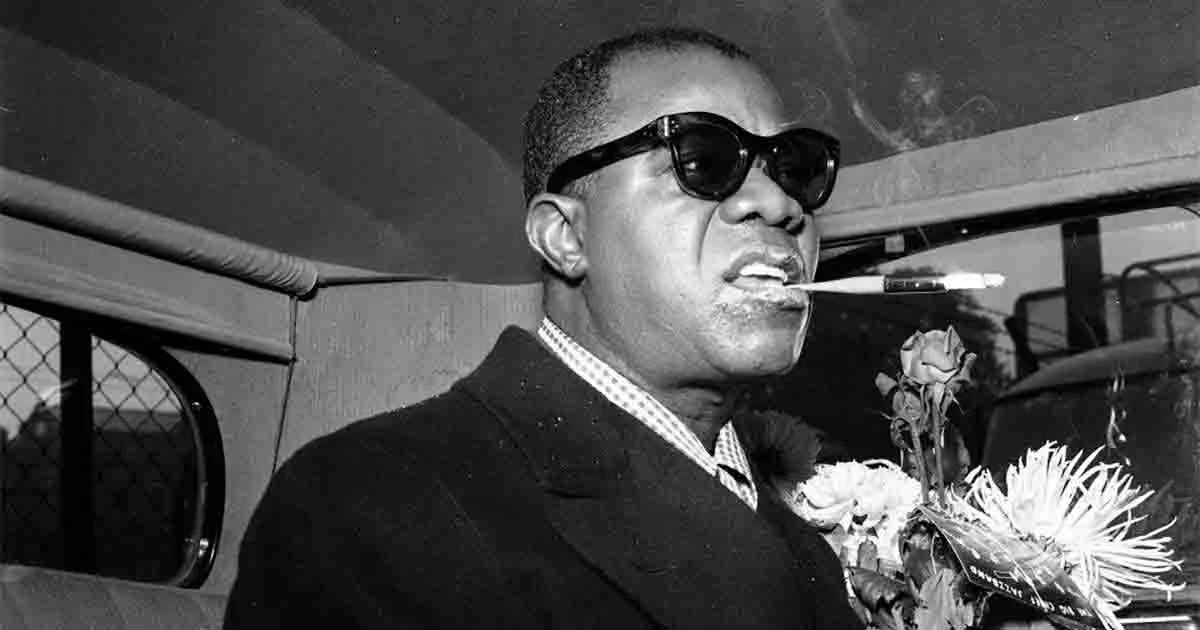
In November, Jazz legend Louis Armstrong and his drummer Vic Berton were arrested for smoking a marijuana joint outside the Cotton Club in Culver City. They were sentenced to six months in jail and $1000 fine each. Armstrong served nine days.
1929 - Possession Punishments
Second offenses for possession of cannabis became punishable by sentences of 6 months-10 years.
1927 - Hemp = Opium
The laws designed to target opium usage were finally extended to Indian hemp.
1925 - Punishments on the Rise
Possession, which had previously been treated the same as distribution, became punishable by up toó years in prison, and black market sales, which had initially been a misdemeanor punishable by a $100-$400 fine and/or 50-180 days in jail for first offenders, became punishable by 6 months-ó years.
1919 - Hemp Stalls
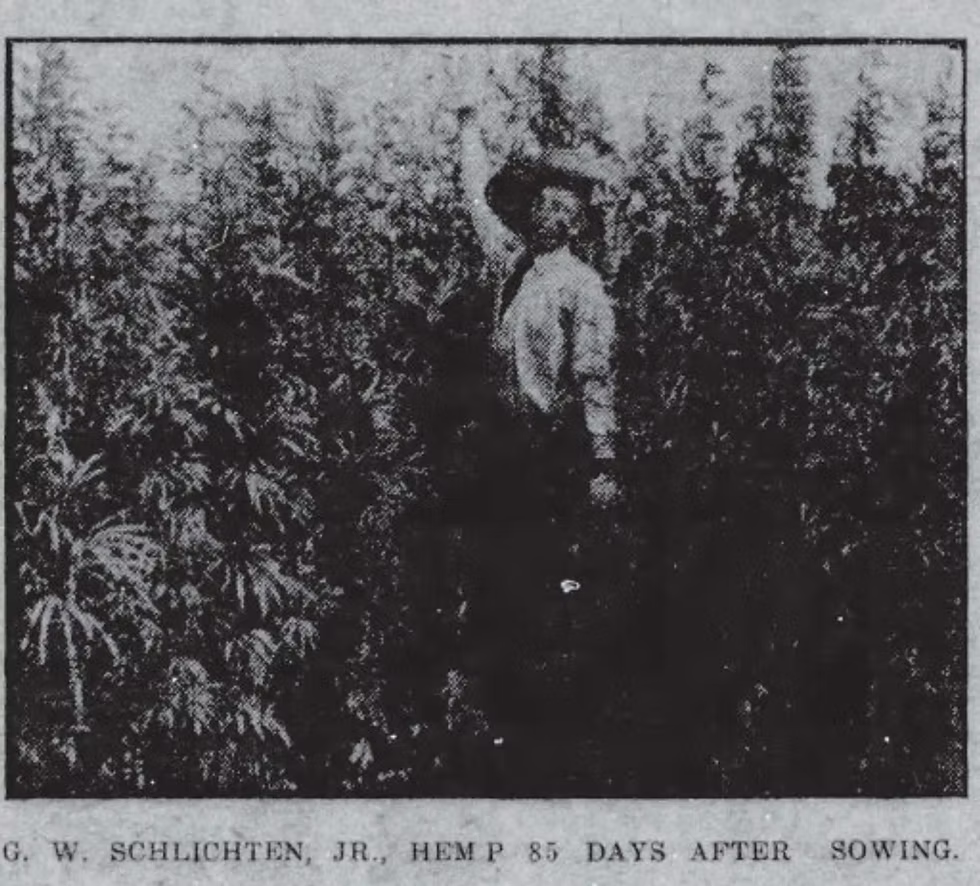
George Schlichten received a U.S. patent on his improvements of the decorticator for treating fiber bearing plants but failed to find investors and pushed him into the hemp seed market.
1915 - Poison, Pharmacy and Buds?
An amendment to the Poison and Pharmacy made sale or possession of "flowering tops and leaves, extracts, tinctures and other narcotic preparations of hemp or loco-weed (cannabis sativa), Indian hemp" a misdemeanor except with a prescription.
1914 - 1st US Arrest for Growing Weed
On September loth, the LA Times reported that the LA sheriff and Inspector Roy Jones of the State Board of Pharmacy made the first U.S. arrest for marijuana cultivation by confiscated a $500 "wagonload" of Indian hemp from two "dream gardens" in the Mexican "Sonoratown" neighborhood on New High Street.
1913 - Hemp in the Valley
George Schlichten moved his hemp decorticator and paper-making operation to California's Imperial Valley.
1913 - Poison, Pharmacy and Hemp?
An amendment to the Poison and Pharmacy made possession of "extracts, tinctures, or other narcotic preparations of hemp, or loco-weed" a misdemeanor. There is no evidence that the law was ever used or intended to restrict pharmaceutical cannabis; it was a legislative mistake.
1913 - Jack London
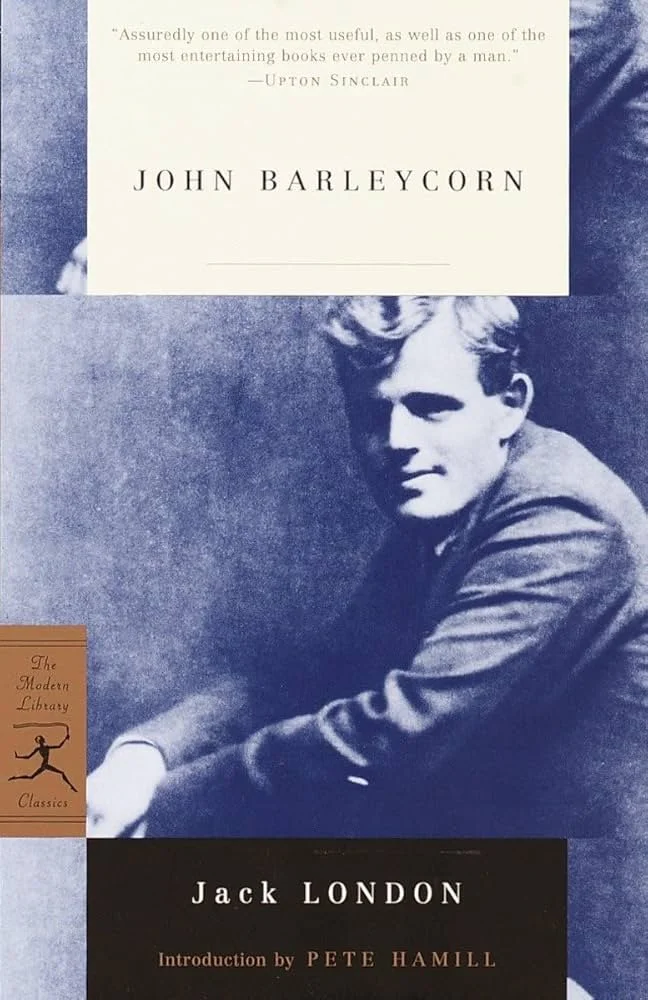
Jack London writes his autobiography while living in Glen Ellen called John Barleycorn, which describes both his alcohol and hashish use.
1907 - Poison and Pharmacy Act
The California State Board of Pharmacy established the Poison and Pharmacy Act, which made it illegal to sell cocaine, morphine, or opium without a prescription. Cannabis was not included in the list until 1913.
California Cannabis History 1795-1900
1895 - Reefer Madness Begins
The SF Call reported that "Arabs, Armenians or Turks" were producing hashish from hemp fields
1880 - Cannabis Prohibition
Assemblyman A.M. Walker of Nevada County introduced the first known bill to ban non-medical use of cannabis (AB 153), outlawing the keeping, selling, furnishing, or giving away of any "preparations or mixtures made or prepared from opium, hemp, or other narcotic drugs" except on a written prescription at a licensed drug store. Similar bills introduced in 1885 and 1889, but none reached the floor for a vote.
1873 - Hemp on the Move
Andrew Hallidie invents the cable car system in San Francisco by using his hemp/wire cable to pull the cars up and down the hills
1873 - Hemp in Fashion
The first jeans made by Levi Strauss were made of hemp sailcloth for the goldminers in California.
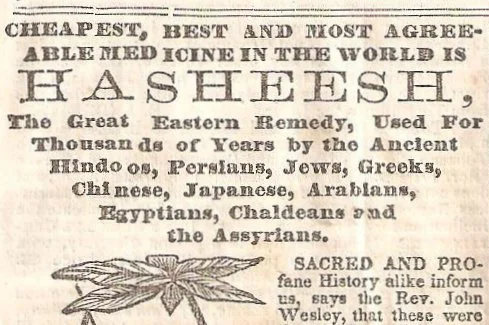
1872 - Medicinal Hashish
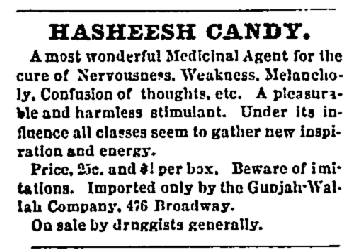
An advertisement for Hasheesh candy appeared in the San Francisco Chronicle placed by Richards & Co., a San Francisco pharmacy which read as. MAGIC CONSERVES - Debilitated, Hypochondriac Sufferer, physically and mentally in need of an invigorator, pleasant and harmless, use this Hasheesh Confection. For sale at RICHARDS' corner Clay and Sansome. Price, #l per box. Send for circular, P. O. Box 1733.
1872 - Medicinal Hashish
An advertisement for Hasheesh candy appeared in the San Francisco Chronicle placed by Richards & Co., a San Francisco pharmacy which read as. MAGIC CONSERVES - Debilitated, Hypochondriac Sufferer, physically and mentally in need of an invigorator, pleasant and harmless, use this Hasheesh Confection. For sale at RICHARDS' corner Clay and Sansome. Price, #l per box. Send for circular, P. O. Box 1733.
1865 - Into Popular Culture
It was reported by the SF Dramatic Chronicle on Sept. 18th, that it appears that a "Hasheesh" mania has broken out among our Bohemians. Yesterday, Mark Twain and the "Mouse-Trap" man aka Tremenheere Lanyon Johns were seen walking up Clay Street under the influence of the drug, followed by a "star" (cop), who was evidently laboring under a misapprehension as to what was the matter with them.
1857 - Industrial Use
Andrew Hallidie manufactured a wire-rope design that was one and one-quarter inches in diameter with a hemp center and a steel wrap at Mason and Chestnut Street in San Francisco that was used for suspension bridges and mining hoists.
1822 - Yerba Buena is founded
Richardson lands in San Francisco Bay, founds Yerba Buena (Good Herb) and put up the first building using the sail from the ship which is made of canvas (cannabis).
1812 - Support from the Governor
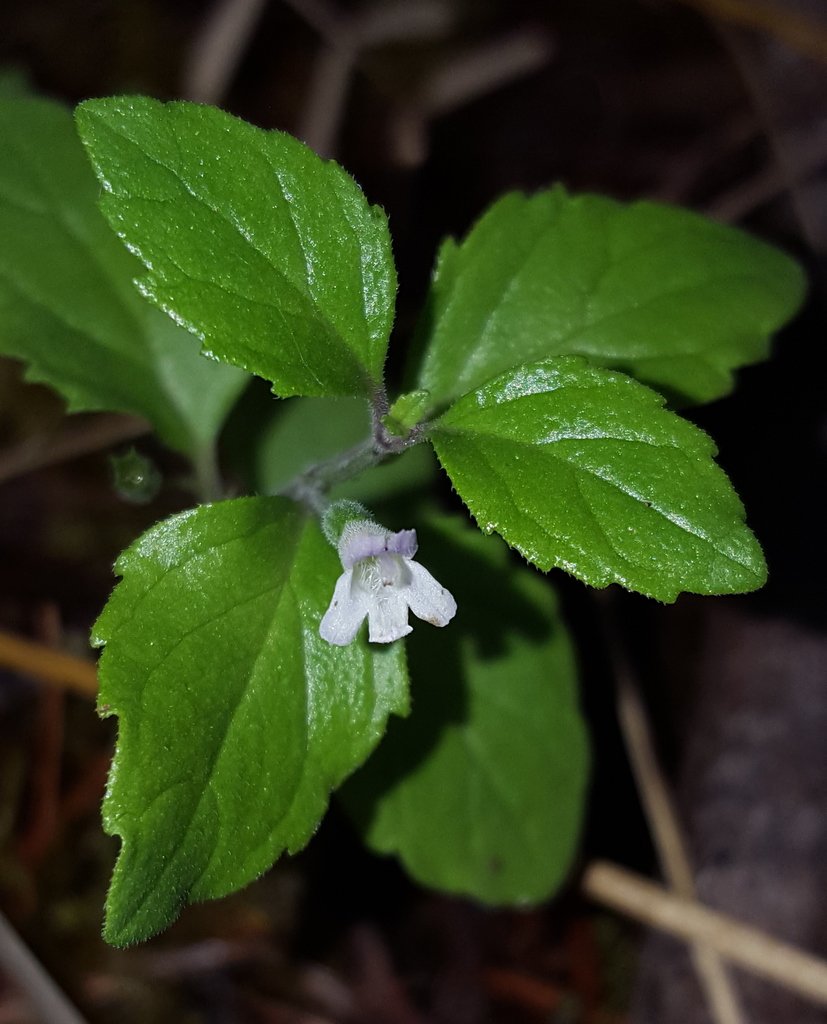
Hemp was raised by the Russian settlers at Fort Ross" from 1812 until 1841, according to R.A. Thompson's The Russian Settlement in California (1863). Hemp cultivation experiments were proposed by California governors Bigler in 1850 and Stanford in 1863.
1810 - Production Increases
California was producing 220,000 pounds of dressed hemp per year for Spain.
1795 - Hemp Arrives
Cannabis hemp was introduced to California in 1795 by Joaquin Sanchez, who was sent to Mission San Jose by Spanish Governor de Borca, to plant hemp for exportation.